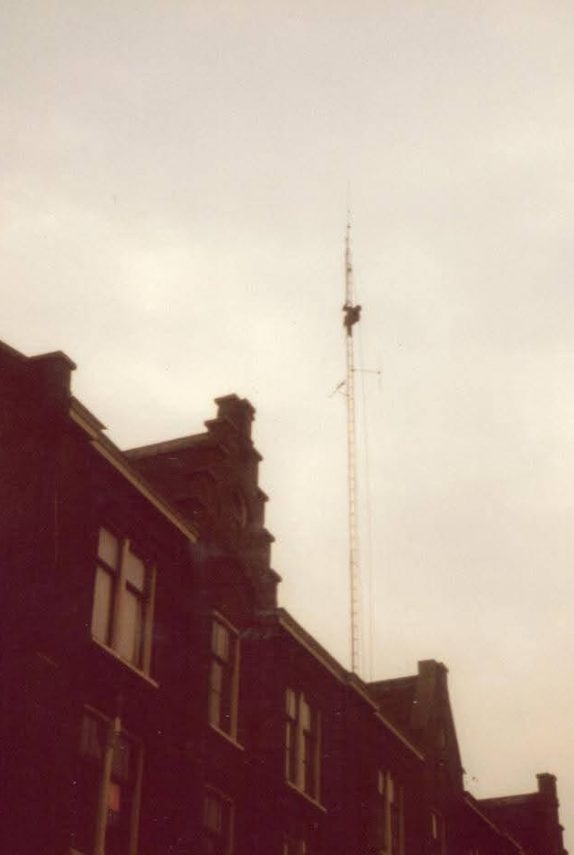
Before there was a player on this site, there was an antenna on a roof.
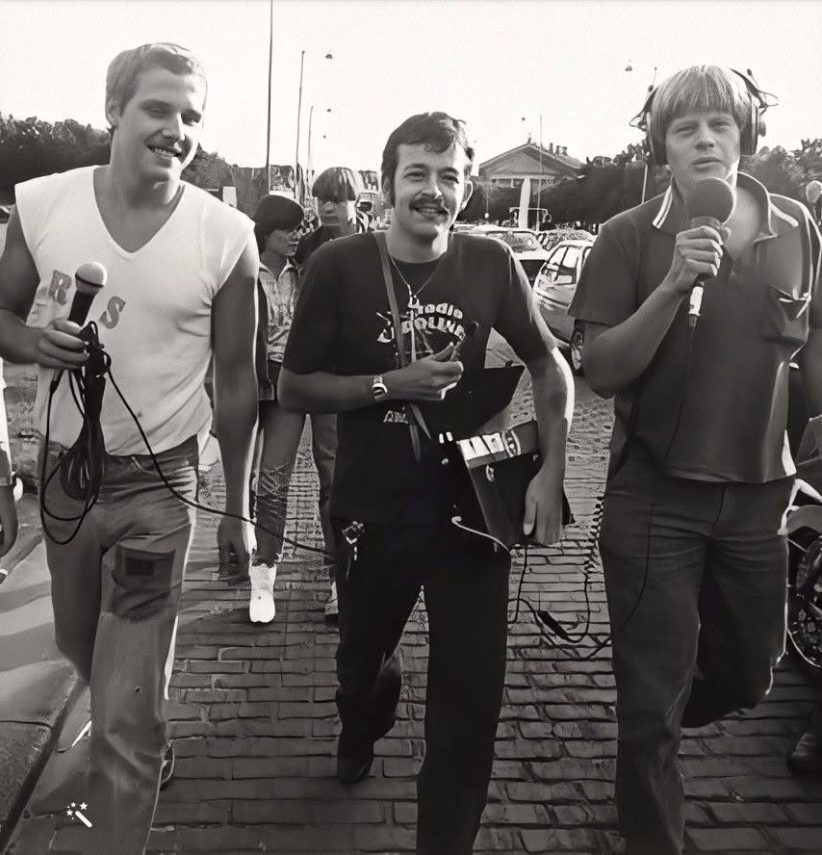
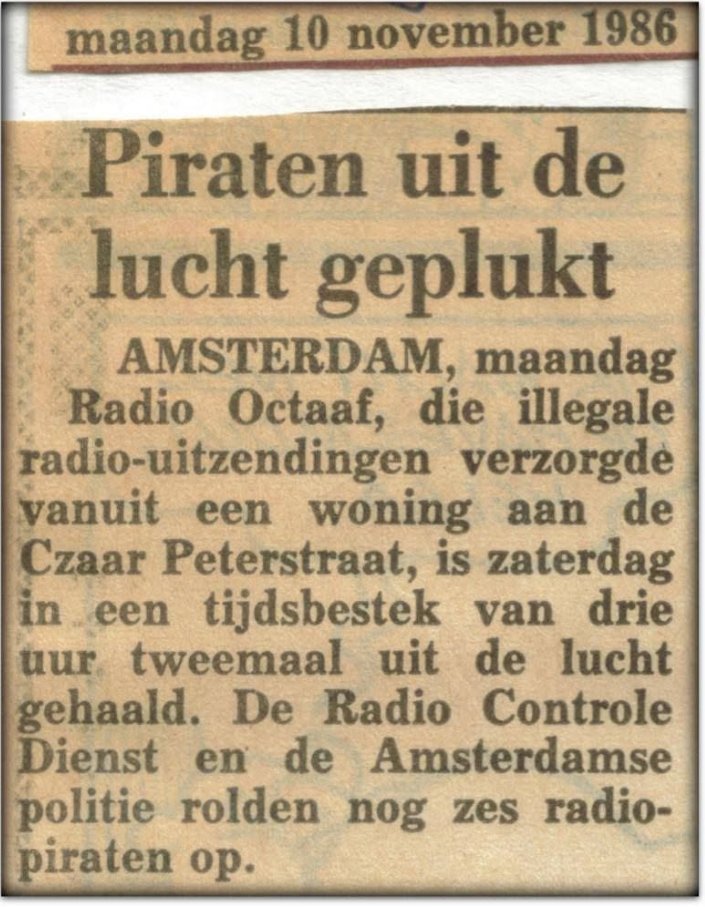
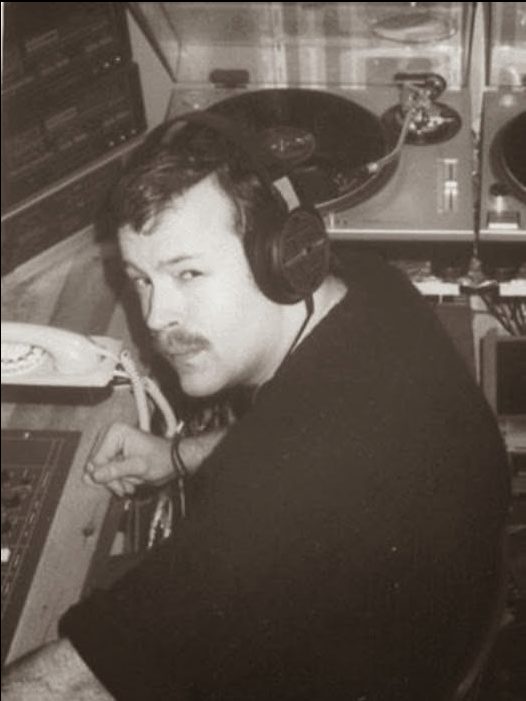
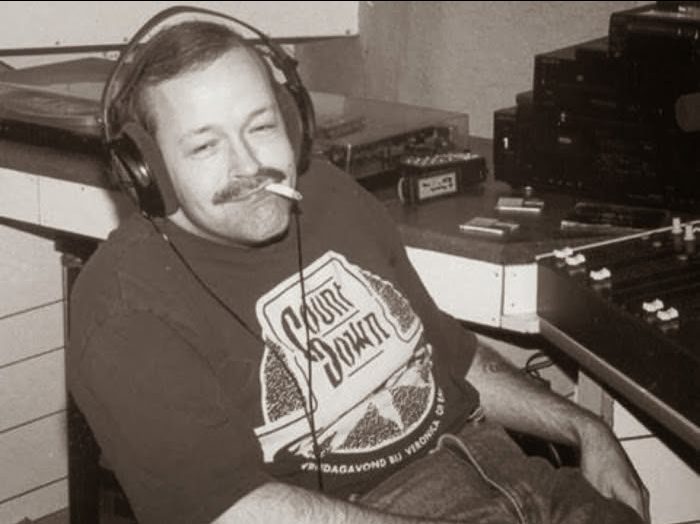
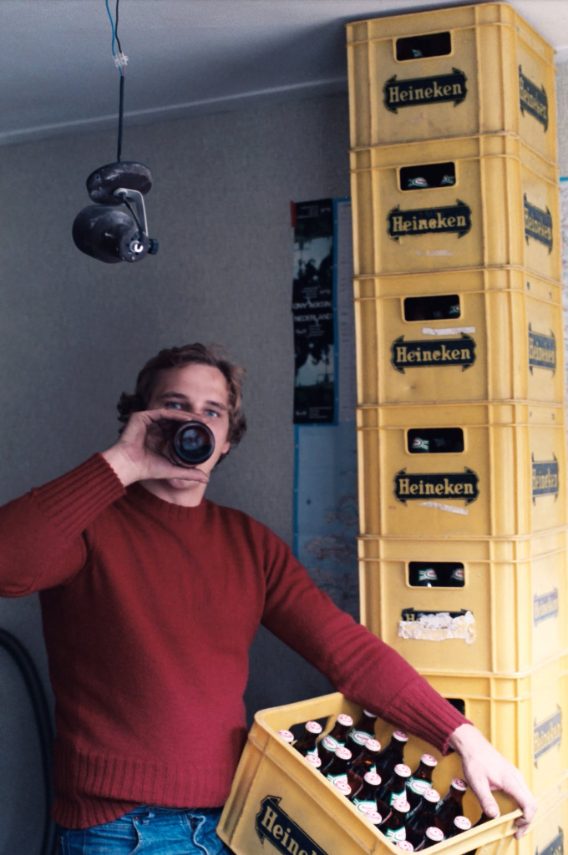
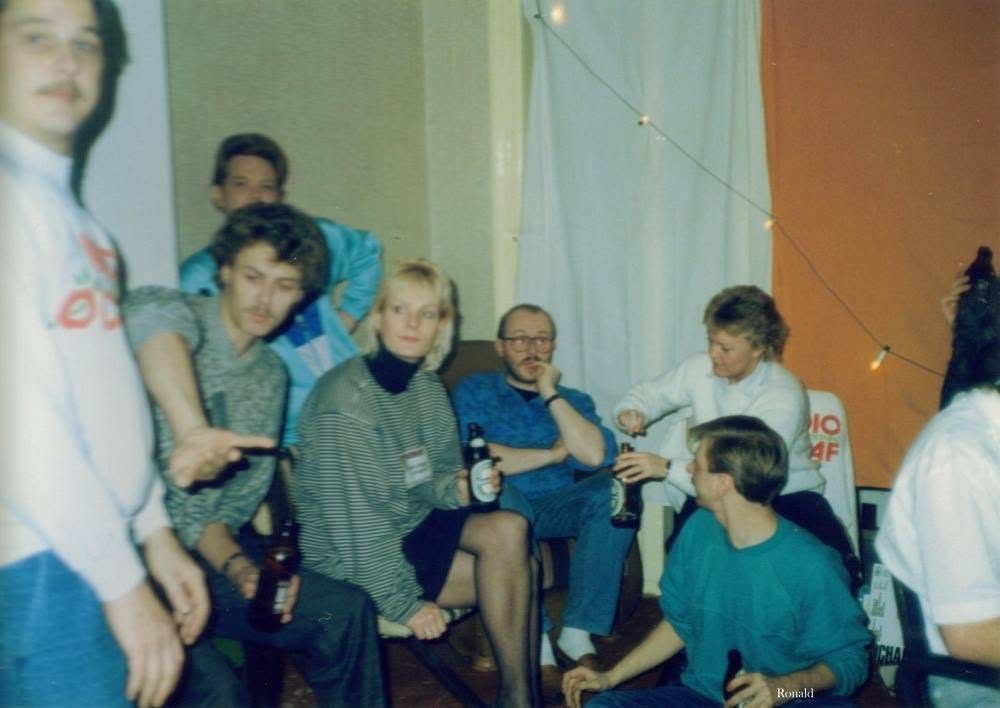
Radio Octaaf started out as a pirate station, in the middle of the Amsterdam radio war of the 80s. Illegal, headstrong and loved. These photos come straight from the memories of the people who were right in the middle of it.
Somewhere on a rooftop in Amsterdam — there stood an antenna, and that's where it began. Radio Octaaf broadcast illegally, right in the pirate era of the 80s, until the music fell silent for good on 27 December 1987: “Goodbye, mast.”
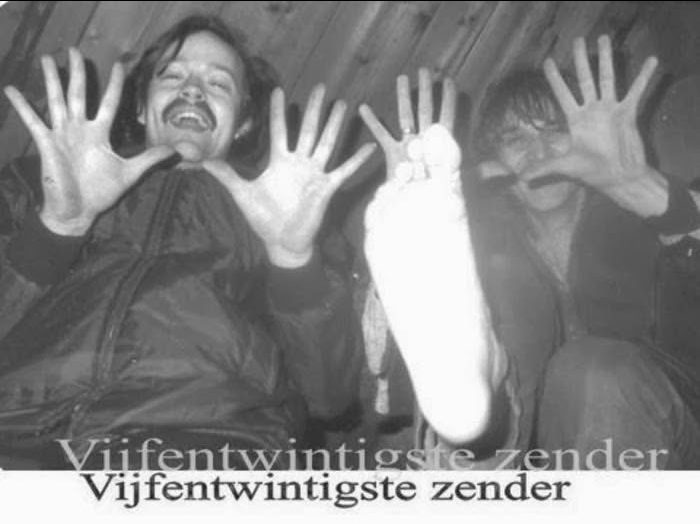
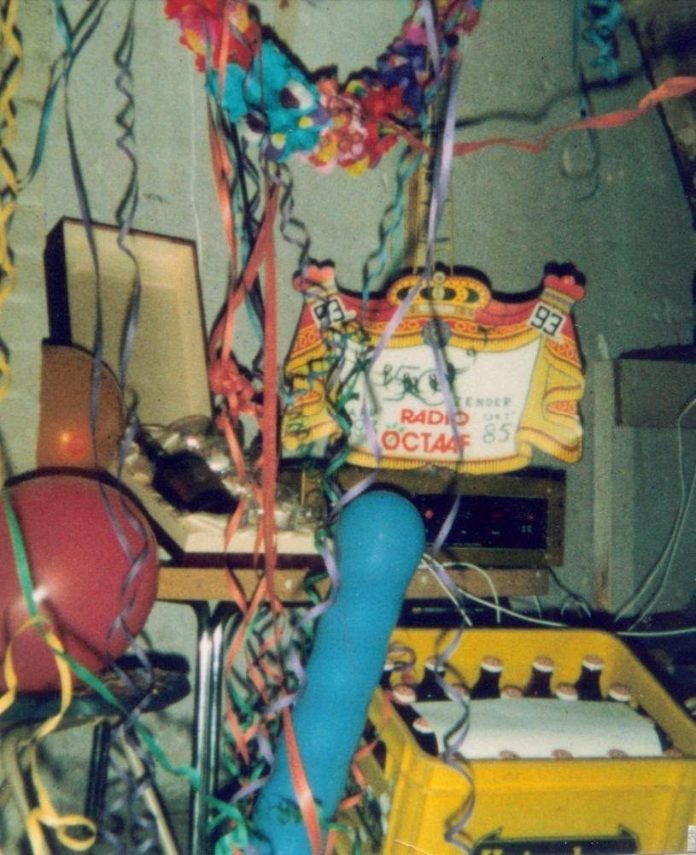
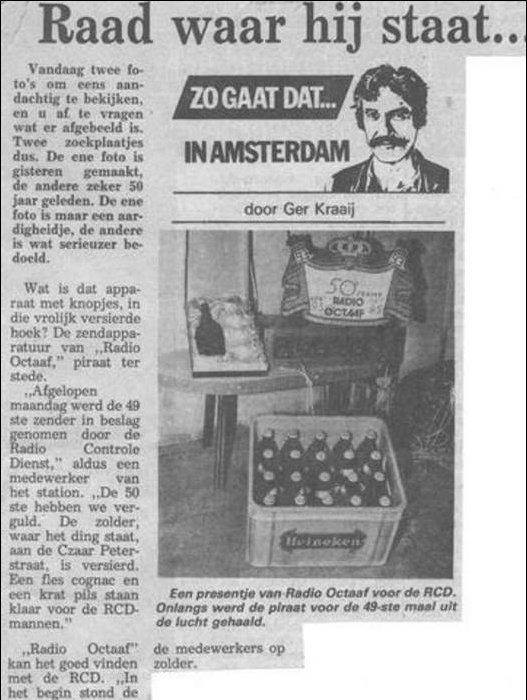
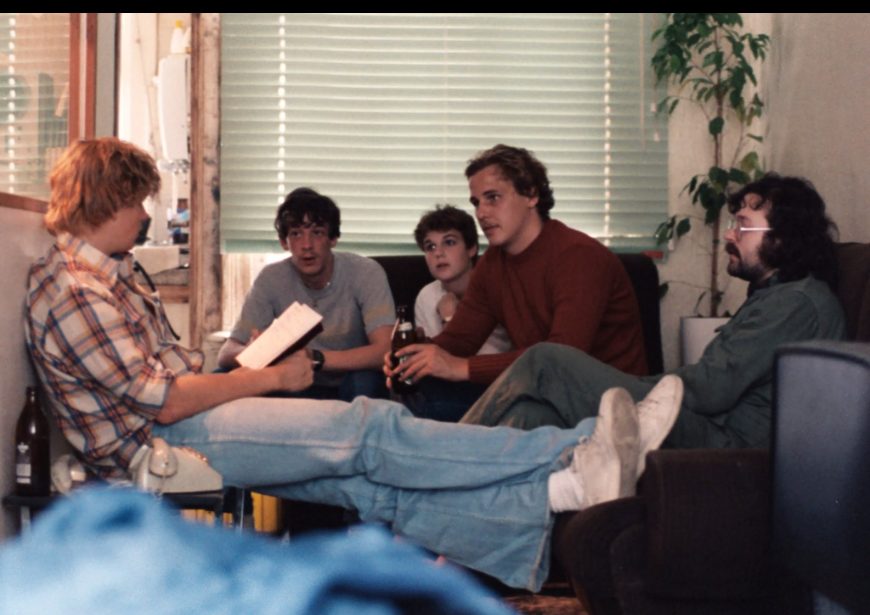
Goodbye mast1987The founders1982Pirates busted1986At the controls25th transmitterFor the RCD1985In the paperOldieIn the studioUp to the ceilingMeeting40 years of Octaaf2024Goodbye mast1987The founders1982Pirates busted1986At the controls25th transmitterFor the RCD1985In the paperOldieIn the studioUp to the ceilingMeeting40 years of Octaaf2024
THE FULL STORY
Radio Octaaf. The whole story, from FM 93 to today.
Browse through history as if you were holding the book — with an index, dates and a real page turn.
RADIO OCTAAF
A piece of Amsterdam radio history
From FM pirate in 1983 to the reunion broadcast of 2025 — browse the full story.
RADIO OCTAAF
The voice of Amsterdam on FM 93
Anyone in Amsterdam and the surrounding area who turned the radio dial in the 1980s could not get around the free radio stations. Those were the years when radio pirates gave the city a sound entirely its own. Among the well-known names of that period, Radio Octaaf held a special place.
Radio Octaaf started on 1 April 1983 as an Amsterdam radio pirate. What began as an illegal radio station grew in the following years into a serious and recognisable station that eventually broadcast every day, and even 24 hours a day.
The frequency Radio Octaaf became best known for was:
FM 93 – 93.0 MHz
For many listeners that frequency became inseparably linked to the name Radio Octaaf.
1983
The beginning – 1 April 1983
The history of Radio Octaaf officially begins on 1 April 1983.
The Dutch radio world looked completely different back then. There was no internet, no Spotify and no digital radio. Anyone who wanted to discover new music depended largely on the public broadcasters, record shops, discos and the free radio stations.
Amsterdam in particular developed a lively pirate scene.
Radio stations were set up without an official broadcasting licence by people who felt the existing radio left too little room for the music and radio style they wanted to hear.
Radio Octaaf was one of them.
The station had to compete with several other well-known Amsterdam free radio stations. Even so, Octaaf managed to win a place of its own in the Amsterdam radio landscape in a relatively short time.
The combination of music, enthusiastic presenters and a clearly recognisable identity meant more and more listeners found their way to Radio Octaaf.
1986
FM 93 becomes the home of Radio Octaaf
Radio Octaaf became best known via 93.0 MHz FM.
Historical overviews from 1986 list Radio Octaaf at:
93.00 MHz – 24 hours
That last part is important.
Radio Octaaf was by now no longer a station that broadcast only a few hours a day or just at weekends. The station had grown into a radio station with almost continuous programming.
The frequency was also used prominently in the station's own presentation.
Historical material from the 1980s shows the name:
RADIO OCTAAF – FM93MHZ
That made FM 93 an important part of the station's identity.
1985
Growth from 1985
Especially around 1985 Radio Octaaf began to grow strongly.
In that period the Amsterdam radio landscape changed. Other big free radio stations disappeared or ran into seizures and other problems.
Radio Octaaf meanwhile kept developing.
The station began broadcasting daily and reached an ever bigger audience. The programming expanded and Radio Octaaf increasingly came to resemble a professional commercial radio station.
That was typical of the larger radio pirates of the time.
Although officially they broadcast without a licence, some stations were organisationally and technically far more developed than the word pirate might suggest.
There were regular presenters, jingles, commercials, technicians, studios and extensive music libraries.
Radio Octaaf ultimately belonged in that category.
1986
Radio 24 hours a day
In 1986, Radio Octaaf is explicitly named in a historical frequency overview as a station that broadcast 24 hours a day on 93.00 MHz.
That meant listeners could find FM 93 at almost any time of day.
By day, in the evening and even deep into the night there were broadcasts.
For the staff this meant a lot of programme hours had to be filled. Various presenters took on parts of the schedule.
It was precisely this variety of voices and music that made free radio appealing. One show could have a very personal character, while the next sounded completely different.
Enthusiasm for radio and music was the common factor.
RADIO OCTAAF
The people behind Radio Octaaf
A radio station of course doesn't consist only of a transmitter, a studio and a frequency.
It is above all the people behind the microphone and behind the scenes who give a station its character.
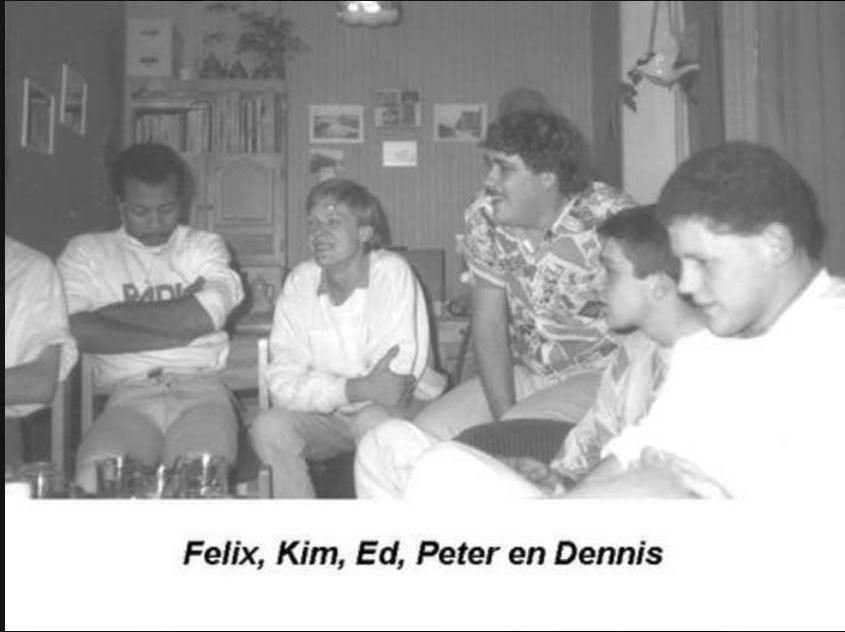
Over the years various names have been associated with Radio Octaaf. Historical sources and surviving radio recordings mention names such as:
Felix Plug, Johannes Driewieler, Arie Swets, Ed de Lange, Ruud Streekers, John van Vliet, Martin Volder, Kim van Doorn and Tinus Bonker.
Then there is Wim Rigter †, who later gained national fame as a radio presenter and is linked to Radio Octaaf in biographical sources.
Several people who gained experience at free radio stations would later find their way to local, regional and national broadcasters.
So stations like Radio Octaaf mattered not only to listeners. At the same time they served as a kind of practical training ground for a generation of radio makers.
You learned radio, after all, mostly by doing it.
RADIO OCTAAF
Making radio out of passion
Former staff mainly describe the atmosphere at free radio as one of enthusiasm for music and radio.
That is important for understanding Radio Octaaf properly.
There were no modern computer systems automatically programming entire days. Radio was made much more by hand.
Records had to be picked out and lined up. Presenters had to know exactly when a record ended. Jingles, commercials and other elements had to be started at exactly the right moment.
A good radio maker had to present, play music and operate the equipment all at the same time.
The result was a form of radio that was direct, personal and sometimes unpredictable.
It was precisely that character that let listeners build a strong bond with their favourite station and presenters.
1986
Advertising and a commercial look
Radio Octaaf was not just a hobby project.
Like several other big radio pirates in Amsterdam, the station worked with advertising.
That created a striking situation: a station that officially had no regular broadcasting licence could at the same time function as a commercial radio station.
Memories of former staff show, for example, that in 1986 Radio Octaaf had promotional commercials produced in which the station explicitly positioned itself in the Amsterdam radio market.
That shows how serious the competition between the different stations had become.
Ratings mattered.
Name recognition mattered.
A good frequency mattered.
And of course the transmitter had to stay on the air as much as possible.
1984
Cat and mouse with the authorities
That was also where the biggest problem lay.
Radio Octaaf broadcast without a regular broadcasting licence.
That meant the authorities could take action against the station. Transmitters and other equipment could be tracked down and seized.
Radio Octaaf regularly had to deal with this.
A remarkable historical detail comes from 1984. A publication from that year reports that Radio Octaaf was taken off the air on 28 October for the sixteenth time.
And the station had only existed since April 1983.
That gives a good picture of how intense the cat-and-mouse game between radio pirates and the authorities could be.
Being taken off the air, moreover, was far from always the definitive end of a station.
Technicians tried to build systems so that a station could be back on the air as quickly as possible after a raid.
RADIO OCTAAF
Technical ingenuity
The free radio world was therefore also a world of technical improvisation.
A studio did not necessarily have to be at the same location as the actual FM transmitter. Various technical solutions could be used to try to limit the risk to people and equipment.
Radio Octaaf too was known for its ability to come back after problems.
In a personal look back, former staff member Felix Plug, for example, described an incident in which an Octaaf transmitter mast was said to have been damaged. According to his recollection, the station was back on the air about an hour later.
Stories like these illustrate the mentality of that period.
A seizure, a fault or a damaged installation did not automatically mean the station gave up.
The challenge was, precisely:
how do we get Radio Octaaf back on the air as fast as possible?
1986
A recognisable name and look
Radio Octaaf also had a clear visual identity.
In historical material from 1986, an original Radio Octaaf design can be found bearing the text:
RADIO OCTAAFFM93MHZ
That is interesting because it not only confirms the frequency used, but also shows how Radio Octaaf presented itself at the time.
So the station was more than just a voice on the radio.
The name Radio Octaaf, the FM 93 frequency, jingles, commercials and graphic materials together formed a recognisable brand.
RADIO OCTAAF
Haarlem and Radio Octaaf
Radio Octaaf is mainly associated with Amsterdam, but historical sources also show connections with Haarlem.
There are indications that presenters from the Haarlem free radio scene eventually ended up at Radio Octaaf.
Both Radio Octaaf and Haarlem are also mentioned in the early radio career of Wim Rigter †.
The exact organisational relationship between these activities deserves further historical research, but it is clear that the free radio network did not stay strictly within Amsterdam's city limits.
Presenters, technicians and others involved knew each other and regularly moved from one station to another.
1987
1987 – the end of an era
Towards the end of the 1980s, the era of the big Amsterdam radio pirates began to change.
For Radio Octaaf too, the original pirate period eventually came to an end.
Historical sources name 27 December 1987 as the date of the last broadcast.
Other sources place the end more generally around the end of December 1987 or the start of 1988.
That means Radio Octaaf existed as a free radio station for about four and a half years.
That may not seem especially long, but in the world of illegal radio it was a considerable period — certainly given the large number of raids in which stations were taken off the air.
In that relatively short period, Octaaf had developed from a new Amsterdam radio pirate into a 24-hour station with a recognisable name, loyal listeners and a place of its own in Amsterdam radio history.
1992–1996
Radio Octaaf returns
The story did not end definitively in 1987, however.
The name Radio Octaaf lived on.
In the 1990s, new opportunities arose to make programmes. Around 1992, Radio Octaaf could be heard for some time via the Diemer Omroep Stichting.
According to historical reports, this collaboration lasted until about 1996.
After that, an attempt was made to obtain a cable frequency of its own for Amsterdam.
That was a totally different situation from the pirate years.
Where previously an unlicensed FM transmitter was needed to reach listeners, radio makers could now reach a large local audience legally via cable.
2004
2004 – Radio Octaaf back on Amsterdam radio
More than sixteen years after the end of the original pirate period, something special happened.
Radio Octaaf returned.
In March 2004, Radio Octaaf was again distributed as a commercial radio station via cable.
Via the then UPC network, the station could initially be received on:
95.5 MHz
The distribution was moreover not limited to Amsterdam.
Via cable, Radio Octaaf was available in areas including Amsterdam, Abcoude, Diemen, Landsmeer, Oostzaan, Ouder-Amstel, Purmerend, Weesp and Zaanstad.
From 1 July 2004 the cable frequency changed.
Radio Octaaf moved to:
90.0 MHz
There were plans at the time to extend the reach further.
In this way a name from Amsterdam's pirate history regained a place on the radio.
RADIO OCTAAF
The original broadcasts haven't disappeared
Perhaps the best thing about the Radio Octaaf story is that today we no longer have to know the station only from written accounts.
For there are original radio recordings that have been preserved.
Collectors of so-called airchecks have recorded and kept broadcasts of free radio stations over the years.
Among them are also recordings of Radio Octaaf.
For example, there are recordings labelled:
Radio Octaaf Amsterdam – 1986 – 93 FM
Programme excerpts featuring, among others, Tinus Bonker have also been preserved.
Thanks to such recordings we can still hear, decades later, what Radio Octaaf really sounded like.
Not a reconstruction.
Not just memories.
But the voices, music, jingles and presentation as they were actually broadcast via FM 93.
Traces of Radio Octaaf can also be found in professional radio archives.
In the collection of the Netherlands Institute for Sound & Vision (Beeld & Geluid) there is a historical episode of the VPRO programme Het Gebouw that pays attention to Radio Octaaf.
The item carries the telling title:
Andermans Radio: Radio Octaaf
The description refers to Radio Octaaf as a station that began as a pirate in Amsterdam in 1983.
What makes this special is that, alongside the stories of staff and listeners, we also have a historical recording in which Radio Octaaf was captured from within the mainstream broadcasting world.
That makes the material extra valuable for preserving the station's history.
2025
2025 – Radio Octaaf once more
Even well over forty years after its start, Radio Octaaf had not quite disappeared.
During the Easter weekend of 2025, a big reunion was organised around the famous Amsterdam radio pirates of the 1980s.
Well-known stations from that time were in the spotlight again.
That naturally included:
Radio Octaaf.
On 21 April 2025, Easter Monday, Radio Octaaf took centre stage between 6 pm and 9 pm.
Together with names such as Radio Unique, Radio Nova, Satellite Empire, Disco Action and Counterpoint, attention was once again paid to a remarkable chapter of Amsterdam radio history.
More than forty years after Octaaf first switched on the transmitter, the name proved still to be recognisable.
RADIO OCTAAF
Why Radio Octaaf still matters
The significance of Radio Octaaf lies not only in a frequency or in the fact that the station broadcast without a licence.
Radio Octaaf represents a period when radio was made in a completely different way.
A period in which enthusiastic radio makers built a studio themselves, collected music, presented programmes, developed technology and literally put their own transmitter on the air to reach their audience.
It was radio without internet.
Without streaming.
Without social media.
Listeners found a station simply by turning the FM dial.
And when the pointer finally settled around 93 MHz, suddenly that recognisable name could come out of the speaker:
Radio Octaaf.
The station was taken off the air several times, but always came back.
It grew.
It began broadcasting daily.
It became a 24-hour station.
Presenters emerged who would later also become active elsewhere in Dutch radio.
And in the end even the name Radio Octaaf survived the end of the original pirate period.
From an Amsterdam FM pirate in 1983, via FM 93, to cable radio and finally historic reunion broadcasts.
That is why Radio Octaaf is more than just an old name from the airwaves.
It is a tangible part of the history of free radio in Amsterdam.
TIMELINE
Radio Octaaf in one timeline
1 April 1983Start of Radio Octaaf as an Amsterdam radio pirate.
1984According to a historical publication, Radio Octaaf is taken off the air for the sixteenth time in October.
1985The station grows strongly and begins broadcasting daily.
1986Radio Octaaf is documented as a 24-hour station on 93.00 MHz FM. Historical promotional material uses the wording RADIO OCTAAF – FM93MHZ.
1987Radio Octaaf is one of the well-known Amsterdam free radio stations. 27 December 1987 is named as the date of the last broadcast of the original pirate period.
1992–1996The name Radio Octaaf returns through a collaboration with the Diemer Omroep Stichting.
9 March 2004Radio Octaaf returns as a commercial radio station on cable, initially on 95.5 MHz.
1 July 2004The cable frequency changes to 90.0 MHz.
21 April 2025Radio Octaaf can be heard again during a reunion of Amsterdam radio pirates from the 1980s.
RADIO OCTAAF
Radio Octaaf – FM 93
From illegal FM transmitter to a name still remembered more than forty years later.
From studios, records and jingles to seizures and technical improvisation.
From 1 April 1983 to the historic recordings that can still be listened to today.
Radio Octaaf was part of a generation of radio makers who did not wait for someone to give them airtime.
They made that airtime themselves.
And on 93.0 MHz FM, Amsterdam could listen in.
27 DECEMBER 1987
‘This was Octaaf’
Paul van Elst, during the last broadcast
Ladies and gentlemen, fans, loyal and less loyal listeners, in short everyone who listened and wanted to listen. We tried. And by ‘we’ I mean everyone present here. Disc jockeys, Octaaf staff. But also everyone who is not here: the advertisers, listeners and the people from the very first hour. The founders of Octaaf Radio.
We tried. For four and a half years. Under the name Octaaf, against legal oppression and 89 seizures, with an innocent medium like local radio.
With the enormously growing number of listeners, advertisers, their reactions and their support, right seemed to be on our side. After all, we meant no harm.
It was to no avail. The law prevailed. We were not proved right. Not us, and not you.
Long live radio.
From the capital of the Netherlands... This was Octaaf.
1 / 23
ALSO LISTEN ON
You can find Octaaf Radio here too.
Besides our own player, you can also tune in through other radio sites.
Tapelark is available for Mac and Linux, with a free 14-day trial. Recordings are for private use only.
TUNE IN TO OCTAAF
Your day. Our soundtrack.
You'll find the player at the top of the page, in the radio itself.
Tuning in
How do I listen to Octaaf Radio?
Press the play button in the player above. The music starts as soon as the connection is ready. The square stop button ends the connection. Starting again reconnects you to the live broadcast.
Can I also listen on my phone?
Yes. Open this website or one of the apps in your mobile browser and tap play. You can also adjust the volume with your phone's buttons. Listening uses mobile data if you're not on wifi.
I can't hear any sound. What can I do?
Check the volume of the player and of your device. Is “Muted” on? Tap it to turn the sound back on. Stop the player and start again if the connection has dropped. If there's a disruption in the broadcast, you can try again later.
What does this website store?
Only your chosen volume is remembered locally in your browser. This website contains no advertising trackers or analytics. To deliver the website and stream, the hosting and streaming services process technical connection data, including your IP address.
CONTACT
A question or a tip? Let us know.
For questions, comments or a music request, you can email us.